1. Pampers Swaddlers Disposable Baby Diapers
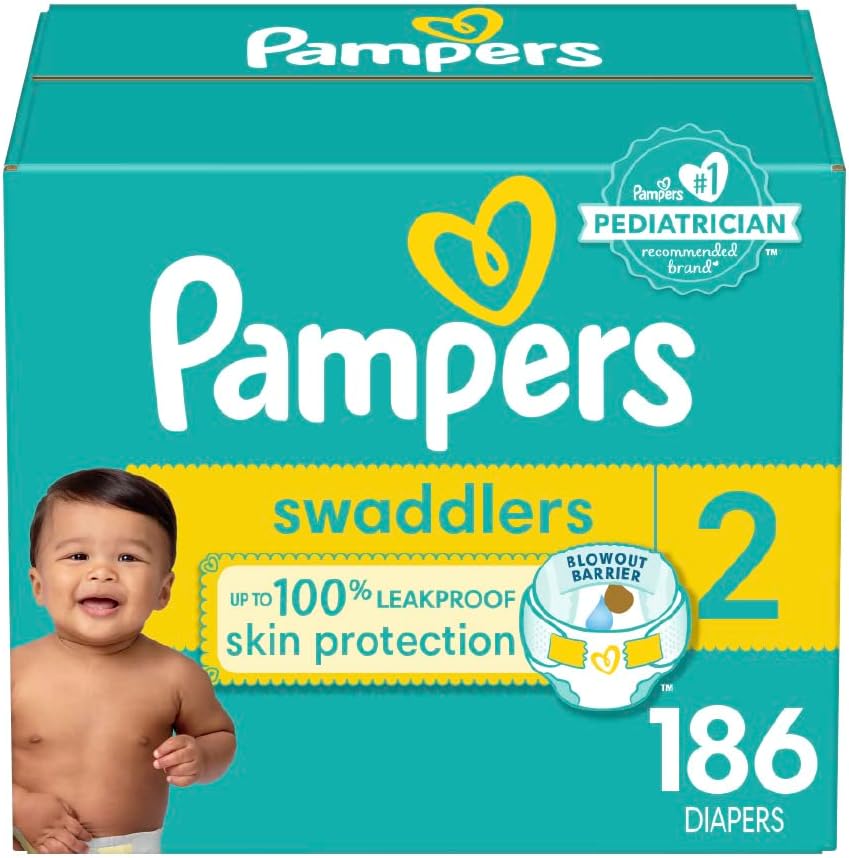
Soft, breathable, and ultra-absorbent. Ideal for newborns and sensitive skin. Wetness indicator included.
🛒 View on Amazon
★★★★★ (4.8 / 5)
Looking for the best diapers and nappies for your baby? Discover top-rated disposable, eco-friendly, and affordable diaper options trusted by parents in the US, UK, and worldwide.
Soft, breathable, and ultra-absorbent. Ideal for newborns and sensitive skin. Wetness indicator included.
🛒 View on Amazon
Leak lock system with fragrance-free softness for sensitive skin.
🛒 View on Amazon 🛒 View on Amazon
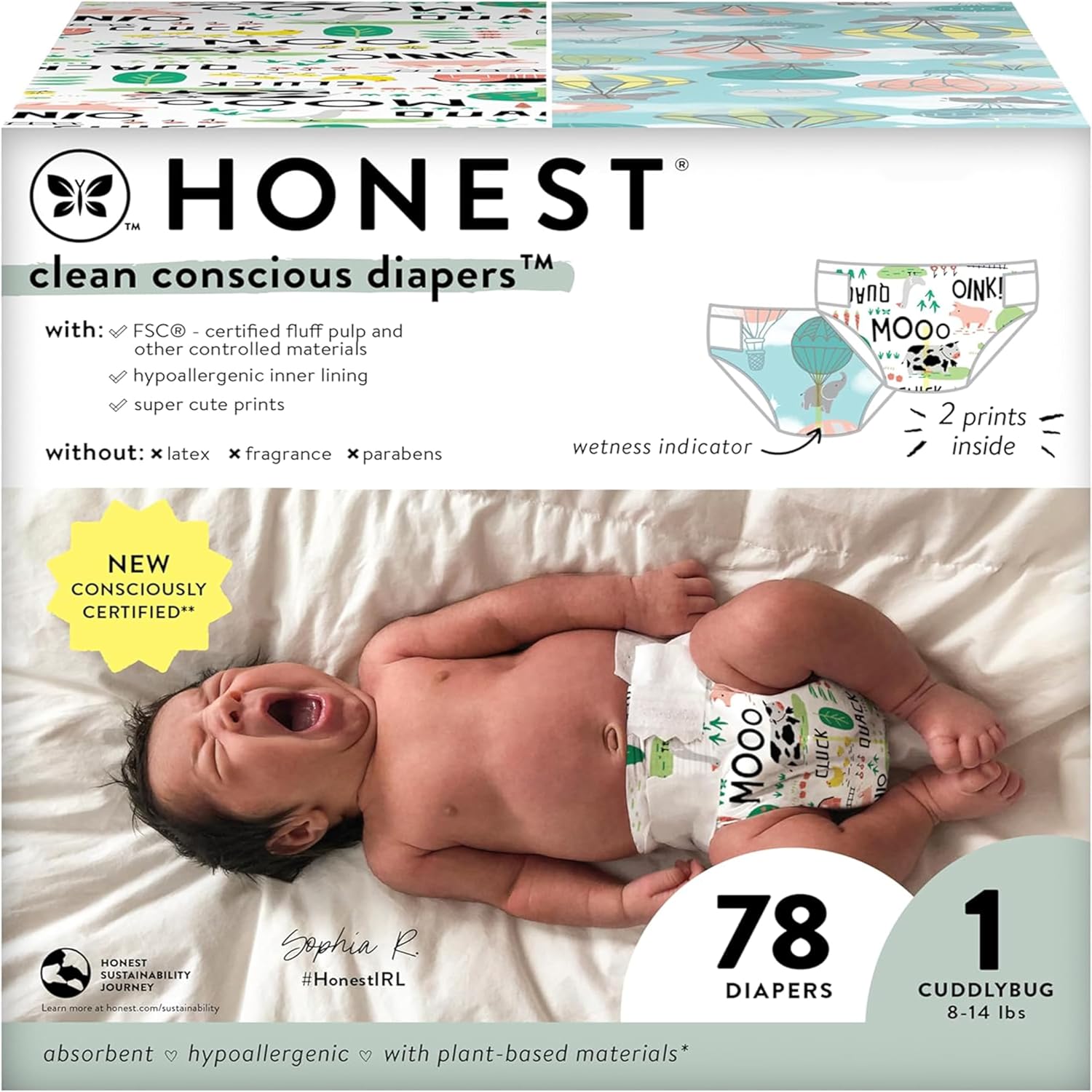 🛒 View on Amazon
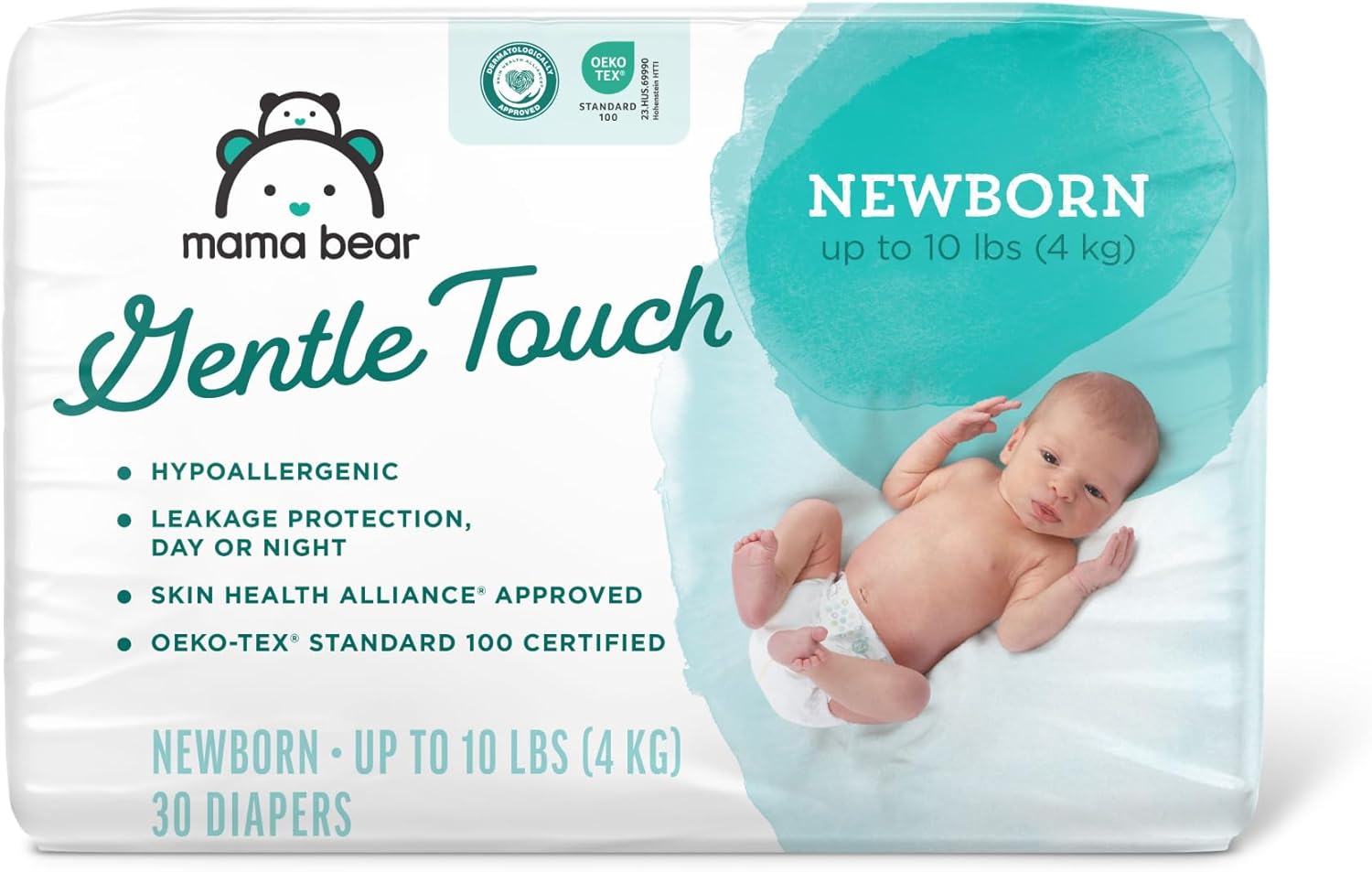 🛒 View on Amazon
 🛒 View on Amazon
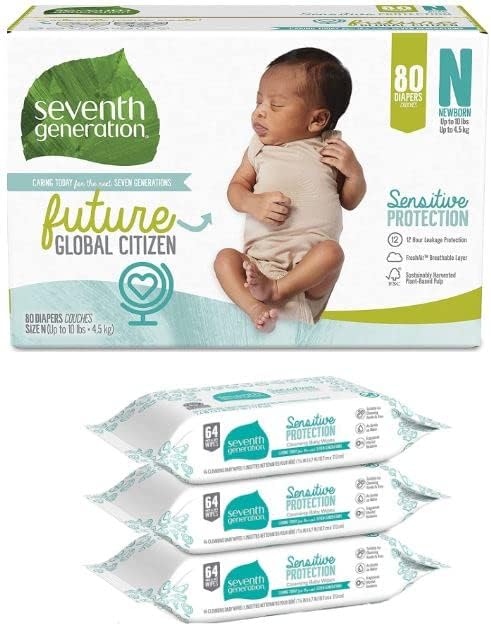 🛒 View on Amazon
 🛒 View on Amazon
 🛒 View on Amazon
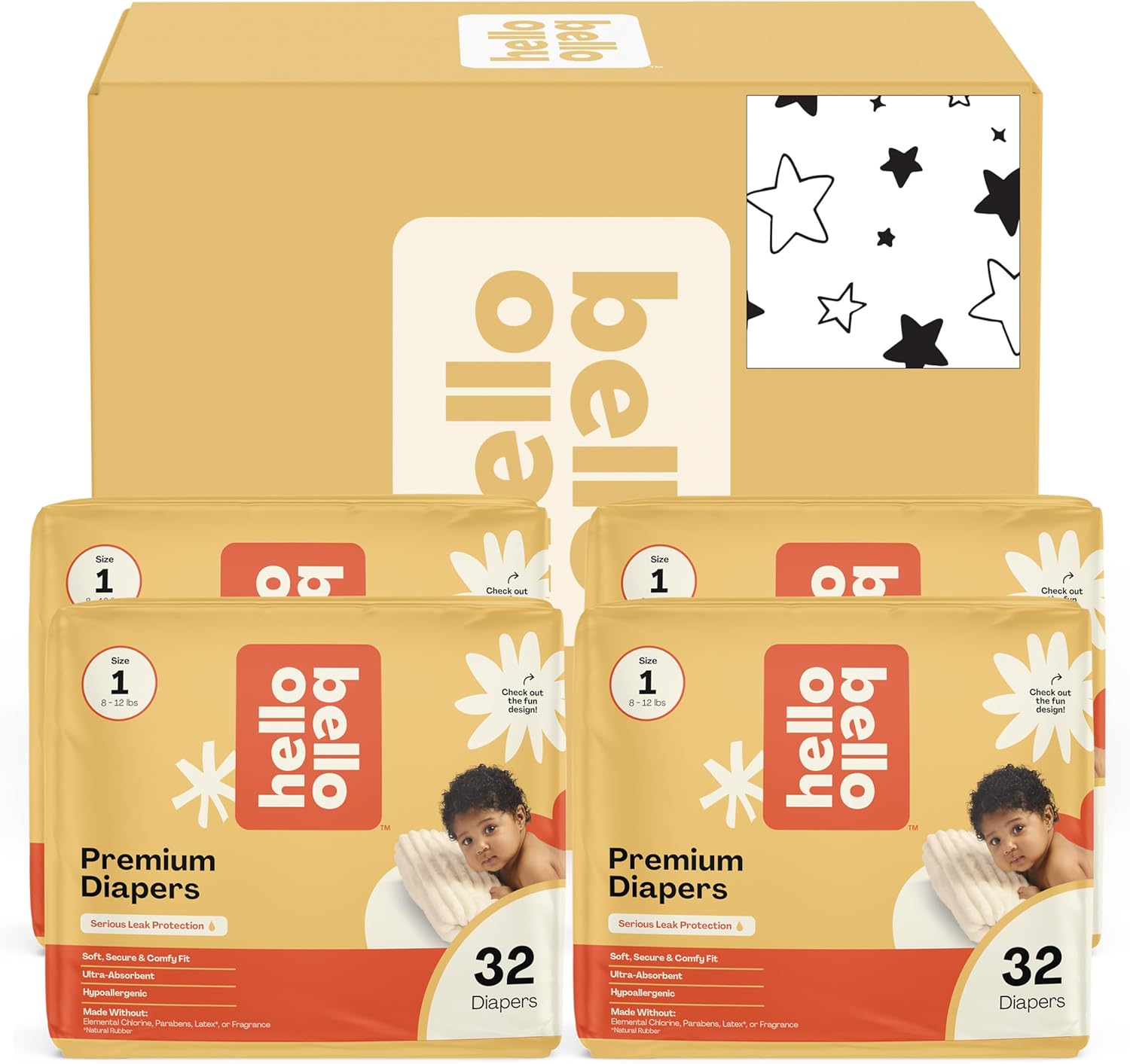 🛒 View on Amazon
Choosing the correct diaper size is essential for your baby’s comfort and to prevent leaks or blowouts. Diaper sizes are based on your baby’s weight, not age. For example, Size 1 typically fits babies weighing between 8–14 lbs (3.6–6.3 kg). If the diaper leaves red marks on your baby’s skin or if leaks are frequent, it’s usually time to size up. A well-fitting diaper should sit snugly around the waist and legs without digging into the skin. Check for gaps around the thighs and ensure the waistband is just below the belly button. Always refer to the manufacturer’s diaper size chart for accuracy, as sizes may vary slightly between brands. Using the right diaper size helps keep your baby dry, comfortable, and rash-free.
| Diaper Size | Weight Range (lbs) | Approx. Age | Comments |
|---|---|---|---|
| Newborn (NB) | Up to 10 lbs | 0–1 month | For newborns, features umbilical cord cutout |
| Size 1 | 8–14 lbs | 0–3 months | First size after newborn, for growing babies |
| Size 2 | 12–18 lbs | 2–6 months | Good for babies who start moving more |
| Size 3 | 16–28 lbs | 5–12 months | Most commonly used size |
| Size 4 | 22–37 lbs | 12–24 months | Designed for toddlers on the move |
| Size 5 | 27+ lbs | 18+ months | For active toddlers and early potty training |
| Size 6 | 35+ lbs | 2–4 years | For bigger toddlers or overnight protection |
As more parents seek environmentally responsible options, eco-friendly diapers have become a popular alternative to conventional disposables. These diapers are designed to minimize their impact on the planet by using sustainable materials, avoiding harmful chemicals, and offering better biodegradability. Brands like Bambo Nature, Andy Pandy, and Honest Company lead the way with products that are not only gentle on your baby’s skin but also better for the environment. Most of these diapers are free from chlorine, fragrances, lotions, and phthalates — common irritants found in many mainstream brands.
Bambo Nature, for example, is certified by several eco-labels and uses sustainably harvested pulp. Andy Pandy diapers are made from bamboo, which is naturally antibacterial and highly renewable. Honest Company offers a stylish yet conscious choice, focusing on plant-based materials and ethical manufacturing. While eco-diapers may cost slightly more, many parents find the added benefits — such as reduced diaper rash, fewer allergic reactions, and peace of mind — to be well worth the investment.
Whether you’re concerned about landfill waste, your baby’s exposure to chemicals, or your family’s overall sustainability, choosing eco-friendly diapers is a meaningful step in the right direction. They’re proof that modern parenting can align with modern environmental values — without sacrificing comfort or performance.
Diapering can be one of the most unpredictable parts of parenting — but with a few clever hacks, you can turn messy moments into manageable ones. One of the best tricks for long trips or overnight outings is to use night diapers during car rides. They’re designed to be more absorbent and can save you from unexpected leaks when rest stops aren’t an option.
Always keep a small emergency stash of diapers and wipes sealed in ziplock bags. This not only protects them from moisture and dirt but also keeps everything organized and easy to grab on the go. Having a dedicated mini diaper kit in every vehicle or stroller is a lifesaver — include essentials like a diaper, wipes, a disposable changing pad, and even a change of clothes in case of a blowout.
Another smart idea is to roll up used diapers with a baby wipe tucked inside to contain the smell until you can dispose of them properly. And when at home, consider setting up small diaper stations on each floor of your house — it reduces the number of times you need to run to the nursery.
With a little preparation and a few time-saving strategies, diaper changes can become quicker, cleaner, and less stressful — for both you and your baby.
➡️ Extra absorbent picks + tips to prevent nighttime leaks
If your baby is a heavy sleeper and you often wake up to wet sheets, it might be time to try specialized overnight diapers. They offer higher absorbency, better leak protection, and more comfort during long nights. Here’s our guide to the best options on the market.
Regular diapers are made for frequent changes — overnight diapers are built for endurance. The best nighttime diaper can keep your baby dry for up to 12 hours, reducing wakeups and laundry. For babies who sleep soundly through the night, they’re essential.
Diapers don’t have a strict expiration date, but their materials can break down over time. The elastic bands may lose stretch, and the absorbent core might not hold as much liquid after 2–3 years. For best results, store diapers in a cool, dry place and use them within 24–36 months of purchase.
For overnight use, you want diapers with enhanced absorbency and leak barriers. Popular options include Pampers Baby Dry, Huggies OverNites, and Seventh Generation Overnight. These diapers are designed to keep your baby dry for up to 12 hours, helping them (and you) sleep better.
Diaper rash is commonly caused by prolonged exposure to moisture, friction, or irritants like fragrance and chemicals. To prevent it, change diapers frequently, let the skin air out during changes, and use a barrier cream with zinc oxide. Consider switching to fragrance-free or hypoallergenic diapers if rashes persist.
Cloth diapers are reusable and environmentally friendly, while disposable diapers offer convenience and high absorbency. Cloth diapers may reduce the risk of rashes if washed properly but require more effort. The best choice depends on your lifestyle, budget, and environmental priorities.
Newborns typically go through 8–12 diapers a day. As babies grow, the number of daily changes decreases. By 6 months, most babies use about 6–8 diapers per day. Tracking usage helps parents plan ahead and buy in bulk to save money.
Diaper sizes are based on weight, not age. Always check the size chart on the diaper packaging. If leaks or red marks appear, it’s likely time to go up a size. A well-fitting diaper should sit snugly without digging into your baby’s skin.
 Best Nappies Guide